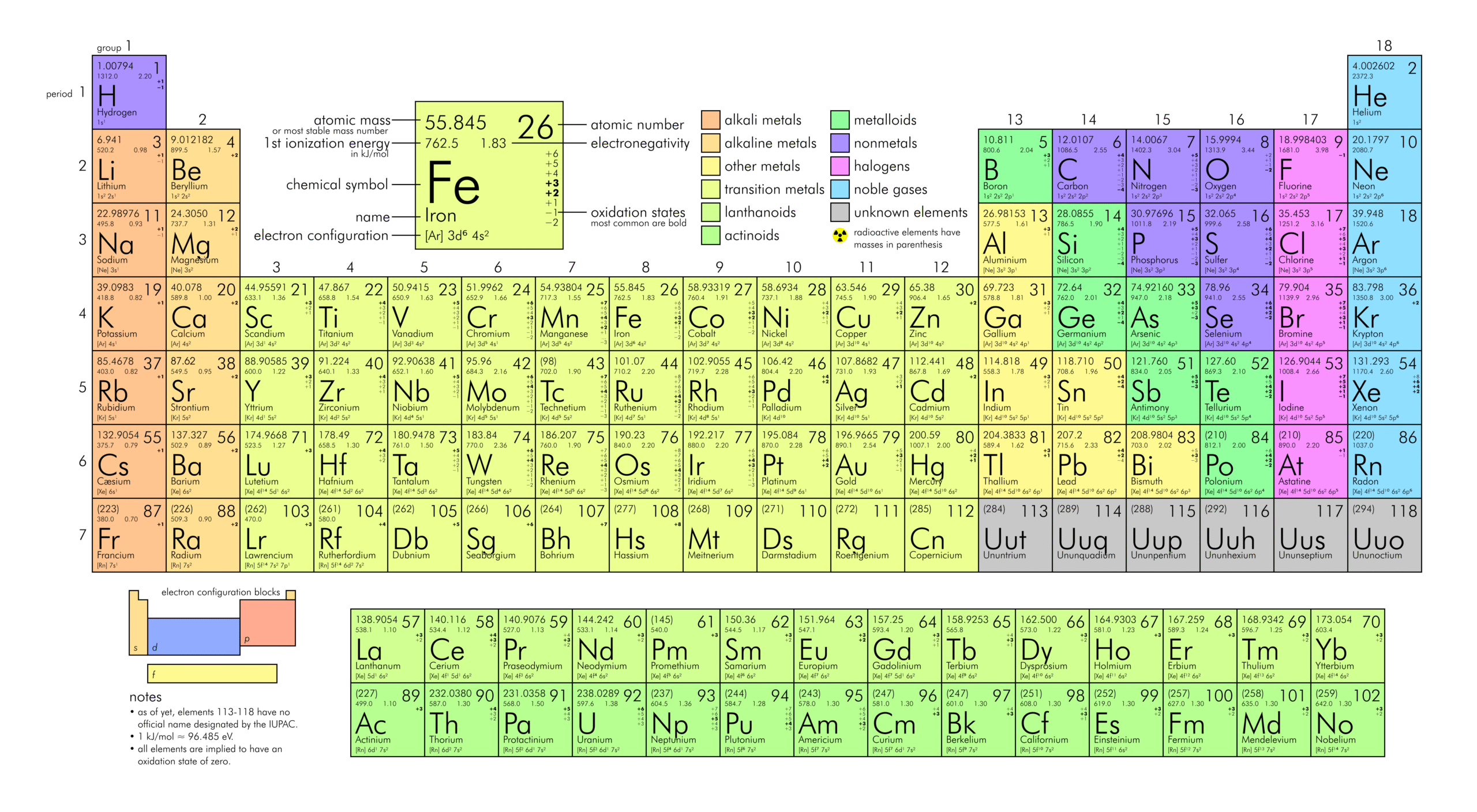

We do not often think about the materials that power our lives. But beneath the surface, sometimes quite literally, there is a growing realization that the metals and minerals once considered ordinary have become profoundly important. They define the batteries that drive electric cars, the wind turbines that spin out clean energy, and the circuits inside our most vital technologies. They have become critical. And in a world, that is changing fast, their story has become deeply human.
As countries grapple with climate change, digital transformation, and shifting geopolitical landscapes, the demand for critical materials such as lithium, nickel, cobalt, and rare earths, has soared. They are no longer just inputs for manufacturing. They are now instruments of national policy, security, and resilience. Around the world, we see governments moving quickly: the United States turning to Canada for stable supply, Greenland reconsidering its stance on resource development, Ukraine emerging as a region of strategic interest, not just for its people or politics, but for what lies beneath its soil.
But this is not a story about headlines. It is a story about values.
Canada, with its vast natural reserves and long-standing expertise in mining and metallurgy, finds itself at the center of a quiet but vital transformation. We have the raw materials, yes. But more than that, we have the history, the people, and the principles to lead in a way that others might not. Our communities have built deep knowledge over generations – miners, engineers, Indigenous stewards, regulators, and researchers. We know what it means to take from the earth. And we know what it means to do so with care.
What makes Canada’s opportunity so unique is not just abundance—it is trust. Trust in our processes, in our environmental standards, in our social contracts. The world is asking not just for supply, but for leadership. Leadership rooted in transparency, respect, and long-term thinking.
And we must also think beyond extraction. The future of critical materials lies as much in how we recover and reuse as in how we mine. Across the country, there is growing momentum behind recycling batteries, repurposing magnets, and designing systems that extract value from what we once discarded. It is not just efficiency; it is responsibility. A circular approach gives us a way to meet rising demand without deepening the environmental cost.
At the center of it all are people. Workers whose livelihoods depend on safe, meaningful jobs. Indigenous communities whose rights and wisdom must shape every conversation. Families in remote towns who carry the weight of both opportunity and risk. And the next generation, watching to see how we choose to treat the land … and each other.
Canada has the chance to show the world what is possible when resource development is guided not just by need, but by care. When growth is measured not only in tonnes and dollars, but in relationships, resilience, and respect. When the technologies of tomorrow are built on foundations we can be proud of. Canada’s moment in critical materials is more than a supply-chain opportunity, it is a moral one. We have the reserves and the know-how. More importantly, we have the choice to lead with humility, care, and lasting purpose.
This is not a race to the bottom. It is a walk forward – deliberate, inclusive, and deeply rooted in the values that define us. And that is something worth talking about.